What is the Hospice Quality Assessment and Performance Improvement Program?
December 29, 2025 · 6 min read
CMSComplianceDocumentationLeadershipPerformance ImprovementQAPIQualityRegulations
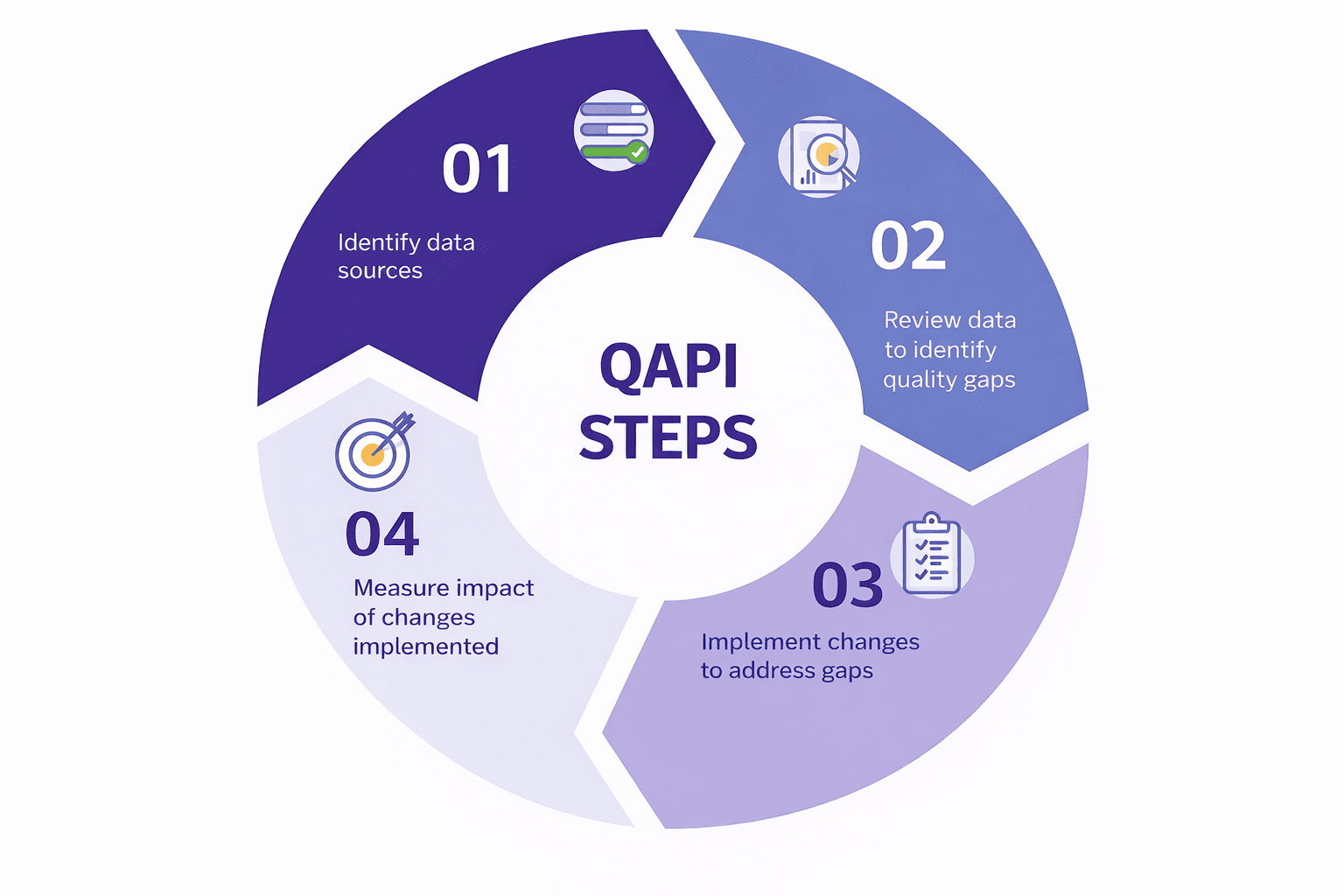
A hospice Quality Assessment and Performance Improvement (QAPI) program is the formal system a hospice uses to understand how well it is functioning, where it is at risk, and how it will improve over time. Under 42 CFR § 418.58, CMS requires every hospice to maintain an ongoing, hospice-wide, data-driven program that evaluates the quality and safety of care and takes deliberate action when improvement is needed. In practical terms, a QAPI program is not a set of reports or a compliance binder. It is the structured way a hospice identifies problems, analyzes why they occur, implements changes, and checks whether those changes actually improve care for patients and families.
While the regulation under 42 CFR § 418.58 describes what CMS expects, it does not specify how to build a functioning QAPI program from scratch. The good news is that CMS is not looking for a perfect system. It is looking for a repeatable structure that allows the hospice to identify risk, improve care, and demonstrate learning over time.
The most successful hospice QAPI programs start by putting structure in place before worrying about metrics or dashboards.
What does QAPI mean
At its core, QAPI combines two key components: Quality Assurance (QA) and Performance Improvement (PI). Quality Assurance focuses on setting and maintaining standards of care, while Performance Improvement is about fixing systemic or recurring problems in those care processes. Together, they form a comprehensive, data-driven approach that involves everyone in the organization – clinicians, administrators, and support staff – in practical problem-solving and care enhancement activities. This makes QAPI more than just a regulatory requirement; it is an organized way of doing business that builds quality into every level of hospice operations.
What is the scope of a QAPI program
A hospice QAPI program must be hospice-wide, meaning it must cover all services that affect patient care including clinical services, psychosocial and spiritual care, interdisciplinary group functioning, documentation systems, safety processes, and services provided under contract. The scope of the hospice QAPI program must be defined in writing. The written scope becomes the anchor when questions arise later about whether an issue belongs in QAPI.
The CMS Conditions of Participation require that hospices “collect and analyze patient care and administrative quality data and use that data to identify, prioritize, implement, and evaluate performance improvement projects to improve the quality of services furnished to hospice patients.” This emphasizes the importance of using objective data to show improvement in outcomes, care processes, satisfaction, or other performance indicators.
How does the QAPI program work
A QAPI program begins with data collection. The objective of the data collection is not to accumulate paperwork. Rather, the objective is to reveal patterns, risks, and opportunities for improvement. This can include clinical outcomes, documentation audits, incident reports, grievances, and patient or caregiver feedback. What matters most is that the data allows the hospice to answer key questions:
- What is happening?
- How often is it happening?
- Why is it happening?
- What can we do to improve?
QAPI does not require a hospice agency to design a complex data dashboard. It requires identifying reliable data sources that already exist and deciding how they will be used and reviewed.
The agency can start by identifying a small set of core data inputs: patient outcomes, complaints and grievances, adverse events, utilization trends, documentation audits, and patient or family experience data. The goal is not volume; the goal is visibility. When data is reviewed consistently and discussed meaningfully, it becomes usable for improvement.
Identifying concern and monitoring improvements
If an area of concern is identified, the hospice must design and implement an improvement strategy, evaluate the effectiveness of that intervention, and continue monitoring the results over time.
CMS does not require a specific improvement model but it does expect hospice agencies to demonstrate that improvement efforts follow a logical process. The key is choosing an improvement cycle that is easily understood and repeatable and that does not require specialized staff training.
Most hospice agencies succeed by using this straightforward and repeatable sequence:
- Identify an issue using data
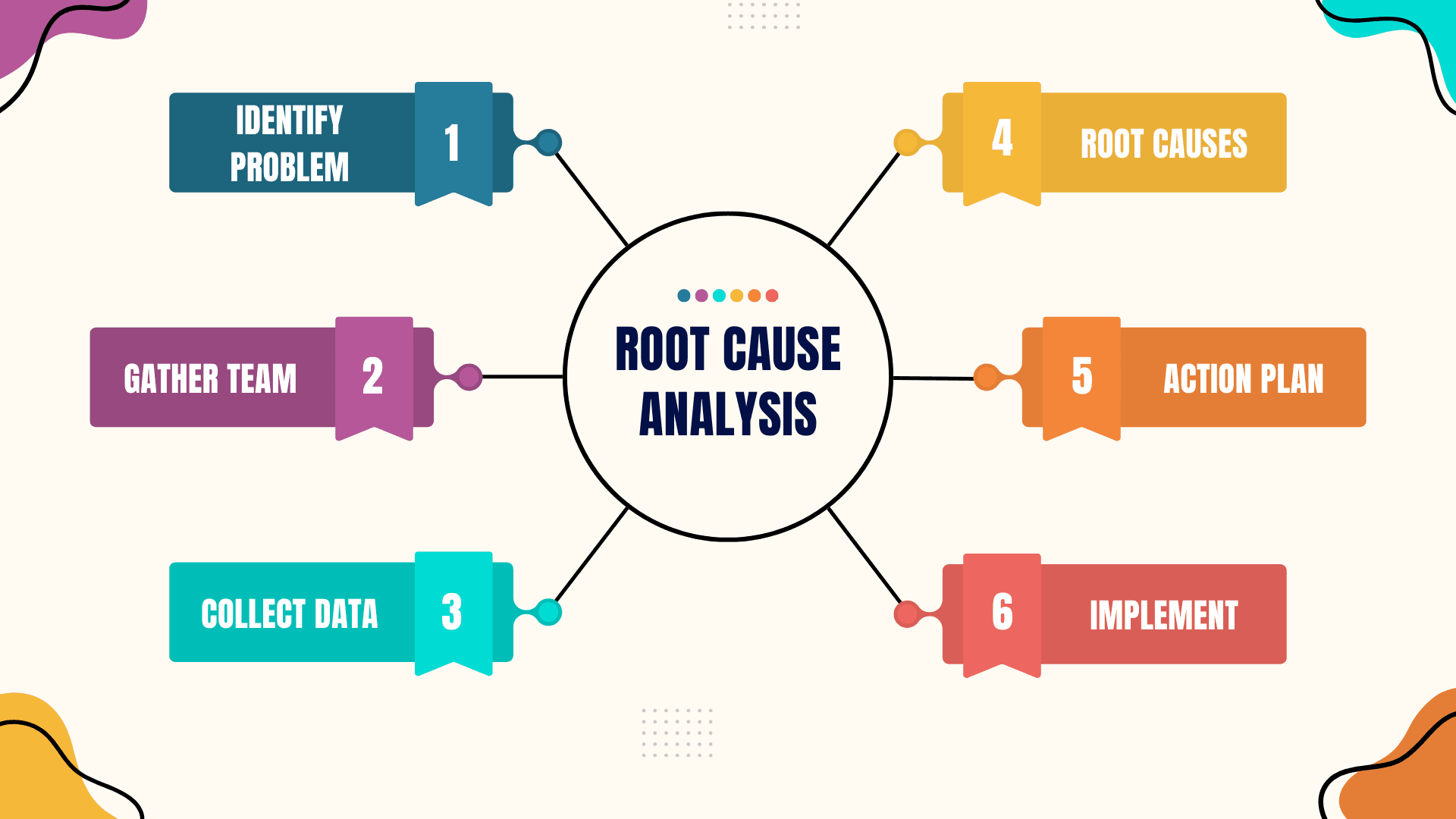
- Analyze why it is happening
- Implement a targeted change
- Re-measure performance
- Monitor whether improvement is sustained
The exact labels are less important than consistency. When the same cycle is used repeatedly, QAPI becomes easier to manage and easier to explain during survey.
What differentiates a strong QAPI program from a weak one is the ability to demonstrate measurable change. Hospice staff and leaders should be able to point to specific improvements that resulted from their QAPI efforts, backed by data over time. This could be a reduction in documentation errors, better pain control outcomes, improved timeliness of visits, or more positive caregiver feedback. These are all examples of real impacts that show the program is not just active, but also effective.
Governance of the QAPI program
CMS places responsibility for QAPI effectiveness on hospice leadership and the governing body. This does not mean that leadership must manage every detail of the QAPI program. What it does mean is that leadership must ensure QAPI operates consistently and has authority.
Leaders are responsible for ensuring that QAPI is integrated into the hospice agency’s policies, procedures, and culture. This includes establishing clear objectives, designating qualified individuals to oversee day-to-day activities, and allocating the resources necessary to support ongoing performance measurement and improvement. The governing body must review QAPI findings regularly and ensure that identified issues are addressed at the organizational level.
Hospice leadership must establish a standing QAPI structure with a regular meeting rhythm and interdisciplinary participation. This can be a formal QAPI committee or a standing agenda item within an existing quality or leadership meeting. What matters is not the name of the meeting, but that QAPI activities are reviewed consistently, decisions are documented, and leadership is aware of priorities and outcomes.
Document how the program operates, not just that it exists
Regulatory compliance is inseparable from solid documentation. CMS surveyors expect to see evidence that a QAPI program is active and effective. Documentation should clearly reflect what was reviewed, what issues were identified, what actions were taken to address those issues, and what the results were. These records should show the agency’s ability to track performance and demonstrate improvement over time.
A QAPI program that exists only in manuals or binders but lacks real, documented improvement activities will be seen as ineffective during survey. Strong documentation tells the story of improvement over time. It shows that QAPI is active rather than simply theoretical. This becomes critical during survey, when the hospice must demonstrate not only intent, but execution.
Why QAPI Matters Beyond Compliance
While QAPI is a regulatory requirement, its impact extends far beyond mere compliance. When implemented thoughtfully, a QAPI program becomes a strategic advantage for a hospice agency. It enhances care quality, strengthens patient and family satisfaction, and supports organizational resilience in a rapidly evolving healthcare environment.
A hospice that can continuously monitor performance, learn from data, and act proactively is better positioned to deliver high-value, person-centered care every day. In an era where quality reporting and public transparency are increasing – including through programs like the Hospice Quality Reporting Program (HQRP), which publicly reports data on hospice performance measures – hospices that embrace continuous improvement are likely to stand out in quality metrics and community reputation.