
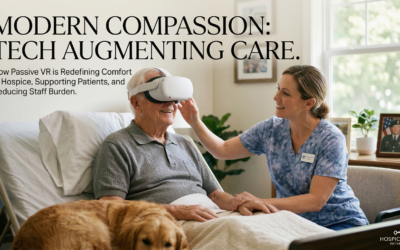
Why Hospice Care is Turning to Non-Traditional Technology
Hospice has always been rooted in human presence: symptom relief, careful listening, emotional support, and the work of helping patients and families live meaningfully in the time that remains. That should not change. But if hospice is truly about quality of life,...

Analyzing the ‘Quiet Workforce’: New Insights into U.S. Family Caregiving
Many conversations about healthcare focus on hospitals, physicians, or emerging technologies. However, a significant portion of care in the United States occurs in a different setting: the home. Data from a recent Pew Research Center survey highlights the scale of...

Music, the Brain, and End-of-Life Care
A recent study published in PLOS ONE explores how music influences the way the brain processes, learns, and remembers information. The researchers found that listening to music - especially music that is familiar and predictable - can significantly affect attention,...

What Ethical Hospice Care Really Means at the End of Life
Hospice care is built on a simple promise: to support comfort, dignity, and quality of life when time is limited. Yet beneath that promise are complex ethical considerations that shape everyday decisions. These decisions include how symptoms are treated, how choices...

How Can Virtual Nurses Improve Hospice at Home Quality of Care
Virtual nursing is rapidly gaining traction across healthcare, driven by workforce shortages and evolving expectations for care delivery. A recent JAMA Network Open article analyzing hospital-based virtual nursing offers important insights that extend well beyond...

AI At the End of Life: Help, Not a Decider
End-of-life decisions are some of the hardest moments any family, clinician, or hospice team will ever face. Even when a patient has had candid conversations with loved ones, the reality of decline can feel different than anything imagined. When there is no advance...

Beyond the Diagnosis: Presence, Empathy, and Clinical Care
The multiple facets of healthcare In most conversations about healthcare, we talk about the clinical side first.Did the doctor order the right tests?Was the surgery successful?What did the scan show? Those questions matter, of course. But if you’ve ever been the...

What Pet Therapy Actually Means for Your Hospice Agency
The profound impact of pet therapy in end-of-life care is not just a heartwarming story; it’s a clinically supported intervention that enhances patient well-being, supports family coping, and adds a vital dimension to a hospice’s care model. For clinical and...

The Hospice Initial Assessment: A Foundation for Compliance & Quality
When hospice patients have no family or stable home, care gets complex. This blog explores how teams can respond with compassion, ethics, and creativity.

Navigating Ethics in Hospice Care
When hospice patients have no family or stable home, care gets complex. This blog explores how teams can respond with compassion, ethics, and creativity.