

Recognizing Signs of Imminent Death: Improving Hospice Care and Quality Outcomes
Understanding when a patient is approaching imminent death is one of the most sensitive and critical aspects of hospice care. Recognizing clear clinical indicators not only allows hospice teams to adjust care plans appropriately but also helps families prepare...
Innovation in Hospice Bereavement Programs
In recent years, hospice bereavement care has undergone significant transformation. Early programs offered traditional service delivery models relying on limited offerings, and structured and uniform service delivery format. Over time, however, researchers and...
See Something Say Something: Mandatory Reporting!
Hospice clinicians are mandated reporters with an individual duty to report known or suspected patient abuse. See something – say something!
Root Cause Analysis for Transforming Delivery of Hospice Care
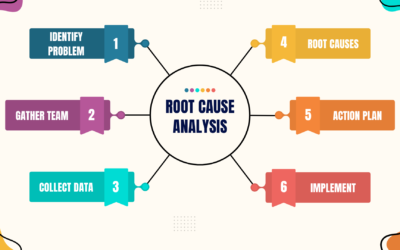
Root Cause Analysis (RCA) is a systematic and structured process used to identify the root causes that results in an undesirable outcome or adverse event and to develop corrective actions. The goal of RCA is not just to treat the symptoms of a problem but to delve...

End-of-Life Pain Management
One of the greatest fears people face at the end of life is pain. Sadly, many individuals with serious illness still experience unnecessary suffering because pain is not fully recognized, effectively treated, or clearly communicated to the care team. Pain affects more...
What is the Hospice Quality Reporting Program (HQRP)?
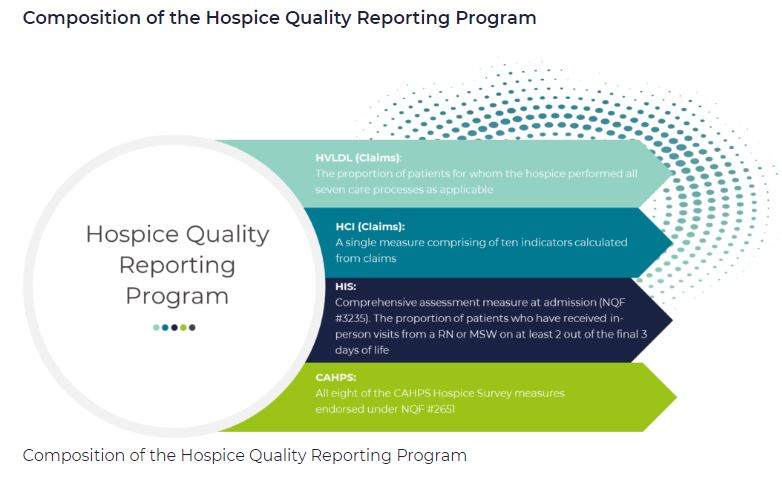
What is the purpose of hospice quality reporting? The Affordable Care Act authorized the establishment of a Quality Reporting Program for hospices. The Hospice Quality Reporting Program (HQRP) was established in 2014. HQRP aims to ensure that the level of...

Unusual Circumstances: Face to Face Encounters
Prior to the third hospice benefit period, and prior to each subsequent benefit period, a hospice physician or nurse practitioner is required to have a face to face encounter with the hospice patient to recertify that the patient continues to be Medicare eligible for...

What is Face to Face Recertification?
A hospice face to face encounter is a step in patient recertification beginning with the third benefit period and each benefit period thereafter. The goal of hospice face to face patient encounter is to encourage greater involvement of the physician in the care of...

Core Services: Using Employees versus Contractors
Hospice Conditions of Participation - employees versus contractors Hospice conditions of participation require that almost all hospice core services are delivered by hospice agency employees and may not be delivered by contractors. Hospice core services include:...

Navigating the Hospice Initial Accreditation Process
What is hospice initial accreditation and why is it important? Hospice initial accreditation is a way to ensure delivery of consistent and high quality services across all accredited hospice agencies. The accreditation program ensures that the hospice agency is fully...