Analyzing the 'Quiet Workforce': New Insights into U.S. Family Caregiving
March 11, 2026 · 2 min read
Caregiving
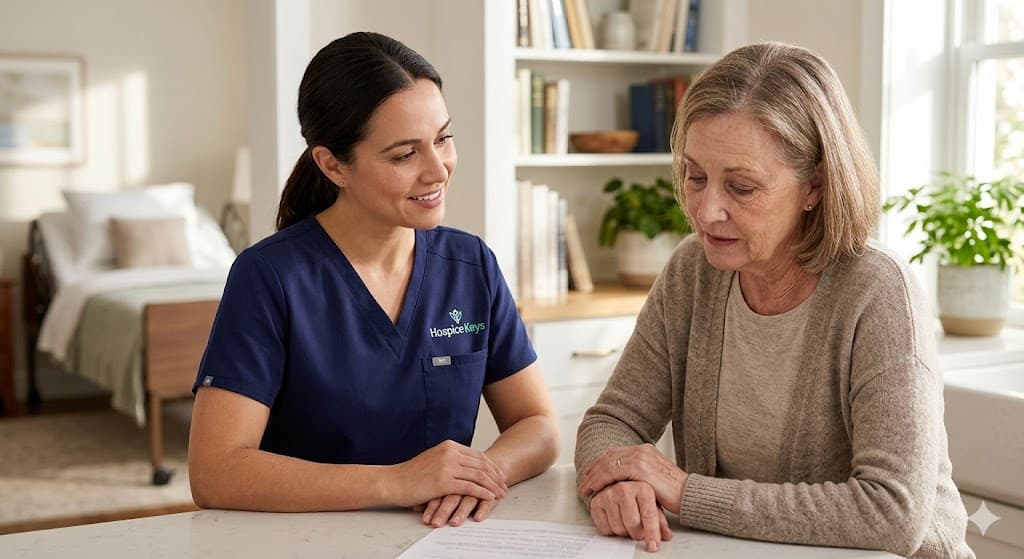
Many conversations about healthcare focus on hospitals, physicians, or emerging technologies. However, a significant portion of care in the United States occurs in a different setting: the home.
Data from a recent Pew Research Center survey highlights the scale of this shift. Millions of Americans now serve as the primary caregivers for aging parents, spouses, or relatives. This informal workforce manages a complex range of responsibilities, including:
- Medication management and clinical coordination
- Transportation to medical appointments
- Activities of Daily Living (ADLs) such as bathing or dressing
- Navigating insurance and financial oversight
In the hospice and palliative care space, the role of the family caregiver is even more critical. While hospice teams provide specialized medical expertise and emotional support, the hour-to-hour management of the patient relies almost entirely on loved ones.
The Sustainability Gap
The Pew survey also underscores the hidden costs of this model. Caregivers frequently report significant impacts on their own physical health, mental well-being, and financial stability. As the U.S. population ages and chronic illness becomes more prevalent, the demand for home-based care is outstripping the capacity of family units to provide it.
For hospice directors and clinical leads, this raises an operational challenge: If the “backbone” of the care model – the family – is strained to the breaking point, how does that affect patient outcomes and the safety of home-based hospice?
A Necessary Shift in Perspective
Family caregivers are the primary reason many patients are able to remain at home rather than in a facility. Yet, because their work is unpaid and informal, it often remains invisible in broader policy discussions.
Recognizing and supporting these caregivers isn’t just a matter of “being supportive” – it is becoming a clinical necessity. As we look toward the future of healthcare, the sustainability of the family caregiving model may be one of the most significant challenges facing the hospice industry.