by editor | Jul 13, 2025 | Care Keys - Nurses, Hospice Research Articles, Patient Care, Teaching Tools
Understanding when a patient is approaching imminent death is one of the most sensitive and critical aspects of hospice care. Recognizing clear clinical indicators not only allows hospice teams to adjust care plans appropriately but also helps families prepare emotionally and logistically for their loved one’s final days.
A recent article explored the symptoms that may be most predictive of imminent death. While every patient is unique, certain signs often serve as reliable indicators:
- Changes in Breathing: Periods of apnea, Cheyne-Stokes respirations, and significant changes in respiratory pattern can be strong indicators that death is near.
- Altered Consciousness: Decreasing responsiveness, increased sleep, and difficulty awakening may signal the body is shutting down.
- Circulatory Changes: Mottling of the skin, cool extremities, and weak pulses can indicate the heart is slowing.
- Decreased Intake: A marked decline in food and fluid intake often occurs in the final days.
- Terminal Secretions: Noisy respirations, often called the “death rattle,” can be distressing for families but are a natural part of the dying process.
Identifying these signs with accuracy can help teams guide families through the experience with compassion and confidence. It can also contribute to improved quality scores, such as Hospice Visits When Death Is Imminent (HVLDL), by ensuring timely visits and proactive support.
💡 Questions for Your Team
- Which symptoms have you found to be the most accurate predictors of imminent death?
- Are there clinical signs that consistently guide your care decisions?
- How can sharing this knowledge help improve the experience of patients and families across hospice programs?
As hospice professionals, our collective insights can enhance the quality and humanity of end-of-life care. If your team has identified reliable indicators, consider sharing your experiences with the broader hospice community so that everyone can continue learning together.
References
- Article that discusses clinical signs of imminent death

by editor | Jun 28, 2025 | Hospice Research Articles
Summary
This compelling article explores the transformative work of the Project on Death in America. This groundbreaking initiative fundamentally reshaped American attitudes toward death and dying. The project emerged in response to what researchers identified as a profound cultural crisis: Americans had developed an almost pathological avoidance of death-related conversations, treating mortality as a taboo subject rather than a natural part of the human experience.
The initiative tackled several interconnected challenges that were undermining quality end-of-life care across the country. Beyond the cultural reluctance to engage with death, there was widespread confusion among both healthcare providers and the public about the distinction between palliative care and hospice services. Many people mistakenly believed these approaches were identical. They failed to understand that palliative care can begin at diagnosis and run concurrent with curative treatments. Hospice care, on the other hand, typically focuses on comfort during the final stages of life.
Perhaps most critically, the project addressed a significant gap in medical education and practice: healthcare professionals’ inadequate training in end-of-life communication. Doctors and nurses, despite their clinical expertise, often struggled to have meaningful conversations with patients and families about prognosis, treatment options, and personal values regarding death and dying. This communication breakdown frequently led to aggressive, futile treatments that increased suffering rather than improving quality of life.
The project’s success extended far beyond addressing these immediate problems. It catalyzed a paradigm shift in how American society conceptualizes end-of-life care. Rather than viewing death as a medical failure or focusing solely on the dying process itself, the project promoted a comprehensive philosophy that prioritizes the enhancement of remaining life quality. This holistic approach encompasses not just physical comfort, but also psychological well-being, spiritual needs, family dynamics, and personal dignity.
The ripple effects of this work continue to influence healthcare policy, medical education, and public discourse today. It established a foundation for more compassionate, patient-centered approaches to death and dying that honor both individual autonomy and human dignity.
Link to Full Article
Link to article: https://tinyurl.com/372sf2md

by editor | Apr 6, 2025 | Hospice Research Articles
Abstract
And the Oscar, Emmy, BAFTA… goes to… is a phrase that exemplifies the prestigious professional and public recognition of achievement in television and film production. Each year, the various academies’ annual awards ceremonies identify, reward, celebrate and commemorate the best contributions to both the big and small screen industries, often with glittering and theatrical stage shows and occasional celebrity controversy.
Link to Full Article
Link to article: https://tinyurl.com/mr7ub7yb

by editor | Apr 6, 2025 | Hospice Research Articles
Abstract
With an aging population, approximately 58 million people in the United States find themselves stepping into caregiving roles for others, especially as healthcare costs rise and facility-based care options become less accessible. Among these caregivers, Gen Z and Millennial individuals represent a significant, yet often overlooked, demographic. These younger
generations often balance caregiving responsibilities with other life demands, such as starting and developing their careers, completing their education, or raising young children. Understanding the unique challenges they face and the resources they require is crucial for shaping systems that support timely referrals, admissions and care.
While 100% of the Gen Z and Millennials who participated in this Transcend research have personal experience caring for a seriously ill family member or friend, 67% have directly been involved in making healthcare decisions for an aging adult or someone living with a serious illness in the past five years. This finding clearly demonstrates that the demands of caregivers are not exclusive to any one generation.
To ensure comprehensive support, home-based care organizations must shift their view and hone their strategies to connect with the distinct needs of caregivers from multiple generations. By doing so, organizations can offer more effective resources that enhance the overall impact of the care provided while building a strong reputation in the community with current and future healthcare decision-makers.
Discussion
This report explores what Gen Z and Millennial family caregivers (ages ~22–42) need from home-based care providers, including hospice. Drawing on a survey of 400 younger caregivers who have supported a seriously ill loved one—two-thirds of whom have acted as key healthcare decision-makers—the authors highlight that these caregivers are juggling work, school, young families, and caregiving all at once. The study identifies three big themes providers must address to serve and engage them well: helping caregivers feel validated, embracing collaborative caregiving, and offering clearly explained high-quality options for care.
Younger caregivers report high emotional and financial strain and deep self-doubt: 90% say caregiving is mentally and emotionally draining, 84% anticipate financial strain, and 70% question whether they can be a “good” caregiver. Their biggest fears include making the wrong decisions, not doing enough, and facing their loved one’s death. When they think about hospice, they value care “where the patient lives,” strong support for the family, and clear guidance on what to expect as death approaches. At the same time, they want a genuine partnership with clinicians—training, coaching, and emotional support delivered in multiple formats (conversations, handouts, online resources, video content). Many prefer to talk with a medical professional but younger respondents are also more likely to seek health information from social media creators. About a quarter don’t feel their opinions are respected by the healthcare community, and many hold misconceptions about hospice (e.g., that it hastens death or that you can’t re-enroll after stopping services), while strongly valuing highly trained staff, quality control, cultural alignment, and transparent information about costs and services.
What is the takeaway for hospice agencies?
This research suggests several practical takeaways for hospice agencies.
Clinically, ask: How are we validating younger caregivers’ fears and doubts and explicitly coaching them instead of assuming they “already know” what to do? Are we offering flexible education (at the bedside, via follow-up calls, texts, and short videos) that matches different learning styles?
Operationally, consider: Do our intake, visit structure, and after-hours support acknowledge that many Gen Z and Millennial caregivers are working full-time or parenting young children? Are we inviting their input and treating them as partners rather than “extras” in the care plan?
From a marketing and outreach perspective, key questions include: Are we clearly addressing myths about hospice (length of prognosis, “hastening death,” ability to restart services)? Do our website, social channels, and printed materials speak directly to younger caregivers’ top concerns? Do we provide emotional support, allow for family involvement in decisions, clear costs, quality and safety, and culturally sensitive care? Using this lens, agencies can refine both care delivery and messaging to build trust with the next generation of decision-makers.
Link to Full Article
Link to article: Emerging Needs of Gen-Z and Millenial Family Caregivers
by editor | Mar 9, 2025 | Hospice Research Articles
Abstract
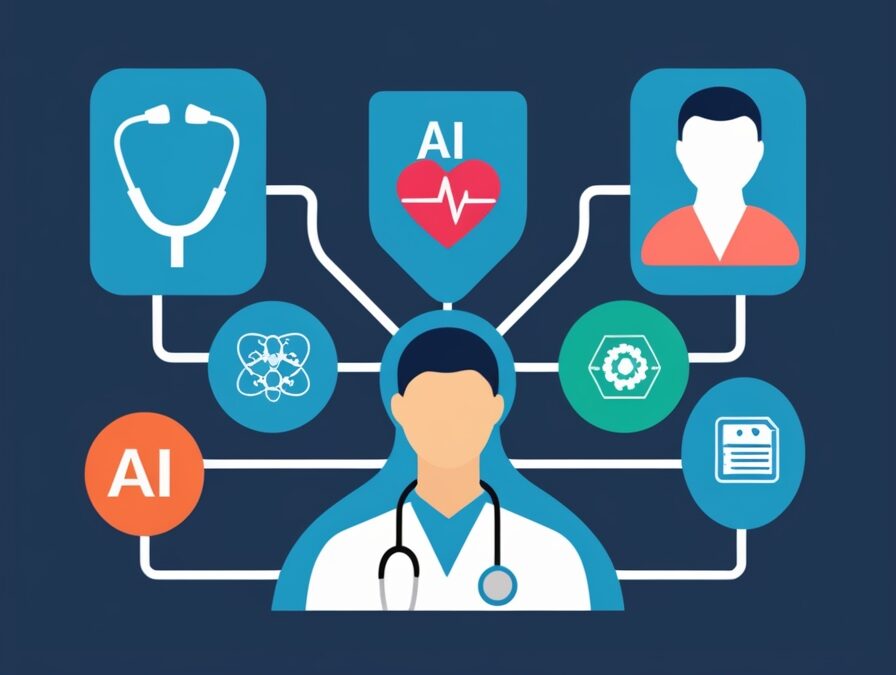
Palliative care aims to improve the quality of life for seriously ill individuals and their caregivers by addressing their holistic care needs through a person- and family-centered approach. While there have been growing efforts to integrate Artificial Intelligence (AI) into palliative care practice and research, it remains unclear whether the use of AI can facilitate the goals of palliative care. In this paper, we present three hypothetical case examples of using AI in the palliative care context, covering machine learning algorithms that predict patient mortality, natural language processing models that detect psychological symptoms, and AI chatbots addressing caregivers’ unmet needs. Using these cases, we examine the ethical dimensions of utilizing AI in palliative care by applying five widely accepted moral principles that guide ethical deliberations in AI: beneficence, nonmaleficence, autonomy, justice, and explicability. We address key ethical questions arising from these five core moral principles and analyze the potential impact the use of AI can have on palliative care stakeholders. Applying a critical lens, we assess whether AI can facilitate the primary aim of palliative care to support seriously ill individuals and their families. We conclude by discussing the gaps that need to be further addressed in order to promote ethical and responsible AI usage in palliative care
Link to Full Article
Link to article: https://tinyurl.com/76kny69m

by editor | Dec 8, 2024 | Hospice Research Articles
Abstract
Dame Cicely Saunders was a pioneer in palliative care and the founder of the modern hospice movement. Her visionary work, particularly in establishing St. Christopher’s Hospice in 1967, reshaped the way healthcare professionals approach the care of patients with life-limiting illnesses. She emphasized a holistic approach that addresses not only physical pain but also the emotional, social, and spiritual needs of patients. Her contributions have left an indelible mark on the medical field, leading to the global expansion of palliative care services and their integration into various medical specialties. Today, palliative care and hospice services are recognized for enhancing the quality of life for patients and their families, focusing on quality over quantity of life, promoting dignity in dying, respecting patient autonomy, and supporting patients in creating a meaningful legacy.
Link to Full Article
Link to article: https://tinyurl.com/76kny69m