How to Master the Hospice CBR for Better Compliance
February 1, 2026 · 6 min read
AuditBillingCMSComplianceDocumentationLeadershipTimely Hospice Enrollment
Many hospice administrators are familiar with the hospice PEPPER report. A smaller number of hospice leaders, however, are familiar with its counterpart: the Comparative Billing Report (CBR) and eCBR, the electronic version of the Comparative Billing Report. While the PEPPER provides a general overview of a hospice agency’s billing data, the CBR is a specific tool used by Medicare to identify individual agencies whose billing patterns differ significantly from their peers. To manage hospice compliance effectively, it is important to understand the purpose and the mechanics of the CBR.
What is a CBR and Who Generates It?
A CBR is a formal educational resource produced by CMS (the Centers for Medicare & Medicaid Services). It provides data-driven insights into a hospice agency’s billing patterns compared to state and national averages.
The report is a collaborative effort:
- CMS: defines the metrics (like length of stay) used to monitor for billing errors.
- National Contractors: CMS hires private companies to do the data analysis. CMS may hire different companies to handle the data work versus managing distribution of the reports to providers.
- MACs (Medicare Administrative Contractors): An agency’s local contractor (like Palmetto GBA, CGS, or NGS) may also provide their own version, called an eCBR, through their provider portal.
How the CBR Highlights Outliers
The CBR is a proactive tool designed to encourage providers to review their own data before a formal audit occurs. It identifies “outliers” – agencies that fall outside of normal billing ranges – by following a simple comparison process:
- “Finding your Neighbors”: Instead of comparing a small local hospice to a massive national chain, the CBR groups each hospice agency with similar agencies. An agency’s data is compared against other hospices in their specific state. This ensures the comparison is fair and based on the local market.
- The 1-to-100 Ranking: For each metric that is measured, the report provides the agency’s “percentile” score, ranking the agency on a scale from 1 to 100.
- Imagine 100 hospices are standing in a line, ordered from the lowest billing to the highest.
- If an agency’s CBR report indicates that the agency is in the 90th percentile, it means that the agency is billing more than 90 of the other hospices.
- This is why the 90th percentile is the “red flag” area; it tells Medicare that the agency is at the very edge of the pack.
- Clear Results There is no need to be a trained statistician to read or interpret the CBR report. The report uses clear labels:
- Significantly Higher: This is the primary “outlier” signal. It indicates that the agency’s billing for a specific metric is in the top 10% (90%th percentile) of all providers. While not proof of wrongdoing, it is a high-priority “red flag” that warrants an immediate internal review of patient charts.
- Higher: The agency is billing more than the average hospice. This is a signal to monitor the trend to ensure it does not move toward the 90th percentile.
- Does Not Exceed: The agency’s billing is aligned with or lower than the average of its peers.
- Not Applicable (N/A): The agency did not have enough claims in that category during the reporting period to create a statistically valid comparison.
Real-World Metric Examples
Each CBR focuses on a narrow “Target Area” of vulnerability. Two common examples for hospices include:
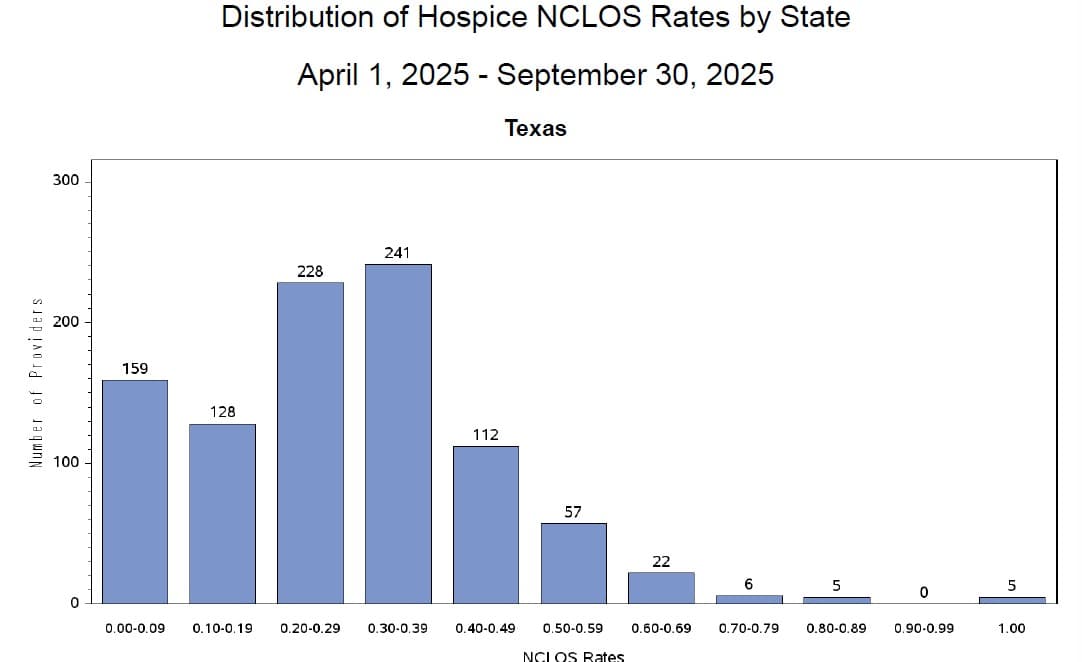
- Non-Cancer Length of Stay (NCLOS) > 210 Days: Comparing the agency’s percentage of long-stay non-cancer patients against jurisdiction benchmarks.
- GIP Average Length of Stay (ALOS): Benchmarking the agency’s inpatient stays (Q5004–Q5009) against state averages to identify potential overutilization.
How CBR Differs from PEPPER
It is helpful to view these two reports as different tools for the same goal:
| Feature | PEPPER | CBR / eCBR |
| Primary Intent | Provides a broad risk profile across many areas at once. | Focuses on a specific billing trend with educational detail. |
| Result | A list of scores for 12+ different categories. | A specific label like “Significantly Higher” for one area. |
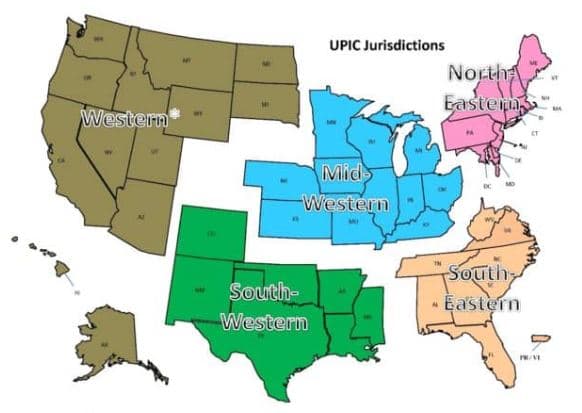
| Comparison | National, MAC, and State averages. | Usually State, Region, and Jurisdiction National averages. |
Converting Comparative Data into Operational Action
The value of these reports lies in the establishment of a functional loop that transforms comparative data into focused action. Hospice leadership should treat PEPPER and CBR/eCBR results as signals tied to specific topics and timeframes. By comparing results against national or state benchmarks, leadership can determine whether a specific billing pattern requires continued monitoring or a formal investigation.
Determining the Response: Monitor vs. Investigate
A hospice agency that appears as a statistical outlier should view the data as a prompt for a focused internal review rather than evidence of an error. The Hospice PEPPER User’s Guide clarifies that these reports do not identify improper payments directly; instead, they serve as guides for auditing and monitoring billing changes over time. When a hospice agency looks materially different from its peers – particularly when that difference persists across multiple quarters – leadership should initiate a targeted investigation.
Maintaining a Narrow Scope
If an investigation is necessary, the review should remain strictly tied to the specific topic that triggered the signal. Effective hospice leadership avoids broad “audit everything” exercises in favor of targeted analysis:
- Length of Stay (LOS) > 210 Days: The agency should review the long-stay patient population and the documentation patterns driving extended care.
- GIP Average Length of Stay (ALOS): Leadership should focus on General Inpatient stays, discharge transitions, and the specific documentation supporting those inpatient days.
Closing the Loop
To finalize the process, the hospice agency must document the scope of the review, the specific findings, and any subsequent process changes. Re-checking the trend in the following cycle ensures these reports become a permanent part of the agency’s operating rhythm. CMS and MACs intend for these tools to function as educational resources that support a self-audit culture within the hospice organization.
Summary: Key Takeaways for Hospice Leadership
Effective compliance management requires utilizing both the PEPPER and the CBR as complementary tools for agency oversight. While the PEPPER serves as a broad indicator across many categories, the CBR functions as a targeted tool for identifying specific billing trends that may require immediate attention.
Hospice leadership should prioritize internal reviews for any metric labeled “Significantly Higher” or landing in the 90th percentile, as these results indicate the agency is a statistical outlier compared to its peers. By conducting narrow, focused chart audits based on these specific signals and documenting the findings within the QAPI process, a hospice agency can demonstrate a proactive approach to billing accuracy. Ultimately, treating the CBR as an educational resource rather than a threat allows leadership to refine workflows and improve documentation standards before external audits are initiated.