Keeping Hands Clean: A Guide for Hospice Clinicians
February 9, 2025 · 3 min read
Hospice AidePatient CareSafety
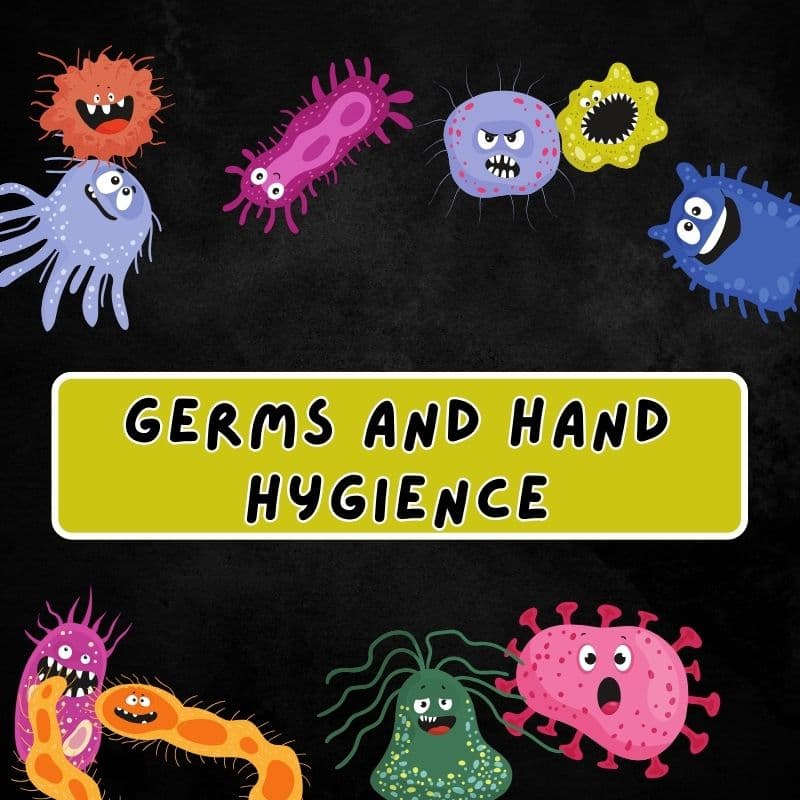
Clean hands are one of the most important ways you protect your patients, yourself, and your community. Let’s learn why hand hygiene is so vital and how to do it right.
A Quick Look Back:
Did you know that doctors didn’t always understand the importance of handwashing? Back in the 1800s, a doctor noticed many women were dying after childbirth. He realized that medical students, after working with deceased individuals, were going straight to deliver babies without washing their hands. The doctor figured out that something from the deceased individuals was making the new mothers sick. When he made the students wash their hands, the number of sick mothers dropped dramatically! This was a huge discovery.
Today, we know much more about germs and how they spread. We know that handwashing is a powerful tool to prevent infections.
What is Hand Hygiene?
Hand hygiene means cleaning your hands. You can do this in two ways:
- Washing with soap and water: This physically removes germs from your hands.
- Using hand sanitizer: This kills germs on your hands. For hand sanitizer to work, it needs to have at least 60% alcohol.
Germs: They’re Everywhere!
Germs are tiny living things that can make people sick. They’re on everything we touch – doorknobs, phones, food, and, of course, our hands. When you touch something with germs on it, the germs get on your hands. Then, when you touch something else, you can spread those germs. This happens everywhere, not just in healthcare settings, but also at home, in stores, and in the community.
Why is Hand Hygiene So Important?
Hand hygiene is essential because it stops the spread of germs. By cleaning your hands, you protect:
- Your patients: Especially those who are already sick or weak.
- Yourself: You can get sick from the germs you pick up.
- The environment: You prevent germs from spreading to other people and places.
Hand Hygiene in Hospice Care:
In hospice care, hand hygiene is extra important. Many patients have weakened immune systems, making them more vulnerable to infection. As a hospice home health aide, you move between different homes and patients, so you must be extra careful not to spread germs. Think about all the surfaces you touch and the different people you interact with. Clean hands are your first line of defense.
When Should You Clean Your Hands?
Clean your hands often! Here are some key times:
- Before and after touching a patient.
- Any time you touch blood, body fluids (like saliva or mucus), or anything that might be contaminated.
- After taking off gloves.
- After using the restroom.
- Before preparing food.
- Any time your hands look or feel dirty.
Handwashing vs. Hand Sanitizer:
Hand sanitizer is quick and easy. It’s great for times when you can’t get to a sink right away. However, handwashing with soap and water is the best way to clean your hands, especially when they are visibly dirty.
When to Wash (Soap and Water):
- When your hands are visibly dirty.
- After using the restroom.
- When caring for patients on special contact precautions (your supervisor will tell you when this is needed).
How to Wash Your Hands
- Wet your hands with clean, running water.
- Lather your hands with soap.
- Scrub all surfaces of your hands – palms, backs, between fingers, under nails – for at least 20 seconds (sing “Happy Birthday” twice!).
- Rinse your hands well under running water.
- Dry your hands with a clean towel or air dryer.
How to Use Hand Sanitizer
- Apply enough sanitizer to cover all surfaces of your hands.
- Rub your hands together until they are dry (about 15-20 seconds).
Remember: Clean hands save lives. By following these hand hygiene guidelines, you’re making a real difference in the health and well-being of your patients, yourself, and your community.
Where Can You Find Out More?
- See this video about hand hygiene
- CDC: About Hand Hygiene for Patients in Healthcare Settings
- CDC Clinical Safety: Hand Hygiene for Healthcare Workers